November 15, 2026 | Curiofy Life — Science & Space
The sky is about to put on a show, and you don’t need a telescope, a ticket, or special equipment to see it. The Leonid meteor shower is active now, and the best viewing opportunities are arriving during the early morning hours of November 17 and 18, 2026. But before you head outside, there’s one important detail: this is expected to be a modest shower, not one of the legendary Leonid meteor storms.
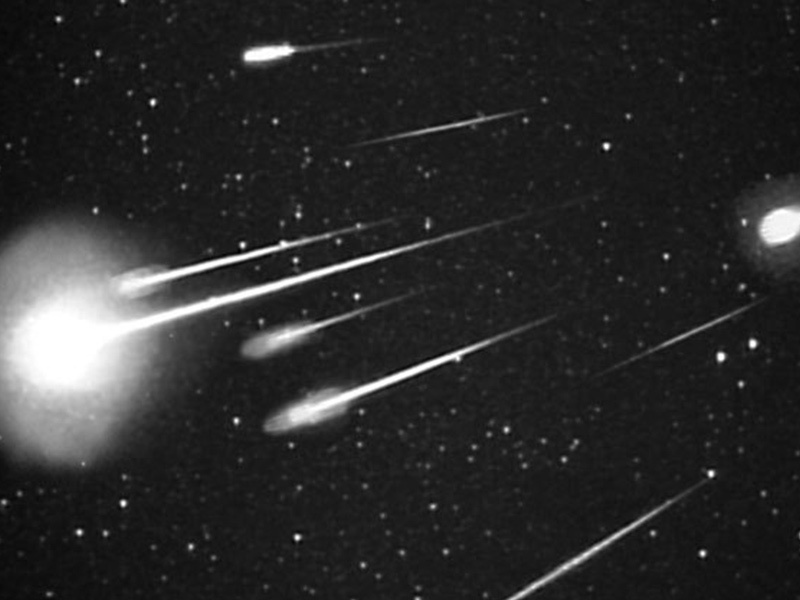
When should you look?
For viewers in the United States, watch after midnight and before dawn on Tuesday, November 17, or Wednesday, November 18. NASA recommends those predawn hours, particularly after the Moon sets. The American Meteor Society identifies the night of November 16–17 as the nominal peak, while other forecasts highlight November 17–18. Because the predicted peak timing and local viewing conditions differ, both mornings are worth trying. NASA’s November skywatching guide and the American Meteor Society calendar provide the original forecasts.
If you’re near Chicago or elsewhere in the Central time zone, a practical viewing window is approximately 1–5 a.m. CST on either morning. Choose the clearest night. The Moon should be out of the way for much of the prime predawn window, but clouds and city lights may limit what you see.
How many shooting stars can you expect?
Under exceptionally dark, clear skies, forecasters give a peak rate of up to roughly 15 meteors per hour. That is an ideal rate, not a promise: most people will see fewer, sometimes just a handful over an hour. There may be quiet stretches followed by one or two bright streaks. The famous Leonid storms that once filled the sky with meteors are not expected in 2026.
Why are the Leonids so fast?
Every November, Earth crosses a stream of dust left behind by comet 55P/Tempel–Tuttle, which takes about 33 years to orbit the Sun. Tiny pieces of that debris collide with Earth’s atmosphere at around 44 miles (71 kilometers) per second. The resulting flashes of light are meteors—the “shooting stars” we see from the ground. Some Leonids leave bright, lingering trails.
The meteors appear to radiate from the direction of the constellation Leo, which gives the shower its name. But don’t stare at a single star or constellation: meteors can streak across a wide stretch of sky.
Your five-step viewing plan
- Find a safe, open location with as little streetlight and city glow as possible. A darker sky makes more difference than a telescope.
- Check the cloud forecast for the early morning of November 17 and again for November 18; pick the clearer window.
- Bring warm layers, a reclining chair or blanket, and enough time to stay outside comfortably.
- Give your eyes approximately 30 minutes to adjust to darkness. Keep phone screens dim or put them away.
- Look up at a wide area of sky, relax, and be patient. No binoculars or telescope required.
A small piece of space history
The Leonids have a dramatic past. In 1966, observers saw an extraordinary meteor storm, with meteors arriving so quickly they seemed to fall like rain. That history is part of the shower’s appeal, but it also sets expectations that don’t match an ordinary year. For 2026, the excitement is in catching a few exceptionally fast flashes overhead—not expecting thousands per minute.
Keep Exploring
A meteor is usually a tiny piece of material burning up in the atmosphere. But what happens when a much larger object strikes Earth? Read What Would Really Happen If a Six-Mile-Wide Asteroid Hit Earth Tomorrow?. Or follow humanity’s farthest spacecraft in our Voyager 1 story.


Leave a Reply